Chronic Kidney Disease (CKD): Causes, Symptoms, Treatment & Patient Care
Embracing Hope: A Journey Through Revolutionary Treatments for Chronic Kidney Disease

What is Chronic Kidney Disease?
Chronic Kidney Disease (CKD) is a long-term condition where the kidneys gradually lose their ability to filter waste and excess fluids from the blood. It is most commonly caused by diabetes and high blood pressure and can progress to kidney failure if not managed early.
A Patient-First Perspective: More Than Just a Diagnosis
Chronic Kidney Disease is not just a clinical condition; it’s a life-changing journey.
For many patients, the biggest struggle is not just the disease itself, but:
- Understanding what to eat
- Managing daily restrictions
- Dealing with emotional stress
This is why patient education and daily support systems are just as important as medical treatment.
The Growing Burden of Chronic Kidney Disease
CKD is a major global health concern:
- Affects ~10% of the global population (over 850 million people)
- In India, prevalence is estimated at 8–17% in adults
- CKD is among the top 10 causes of death worldwide
- Diabetes accounts for nearly 40% of CKD cases
👉 Early detection can delay progression by years
Causes of Chronic Kidney Disease (CKD)
1. Diabetes (Leading Cause)
High blood sugar damages the kidney’s filtering units (nephrons).
- Long-term uncontrolled diabetes = higher risk
- Diabetic nephropathy is a major complication
2. Hypertension (High Blood Pressure)
High pressure damages the kidney blood vessels over time.
- Reduces filtration efficiency
- Often called a “silent killer.”
3. Other Contributing Factors
- Genetic disorders (e.g., polycystic kidney disease)
- Chronic infections
- Overuse of painkillers (NSAIDs)
- Obesity and a sedentary lifestyle
Symptoms of Chronic Kidney Disease
Early Stage (Often Silent)
Most people don’t notice symptoms initially, which is why it is always advised in recent times to get the whole body test done every year.
Advanced Stage Symptoms
- Swelling in the feet, ankles, or face
- Fatigue and low energy
- Changes in urination (frequency, foam, blood)
- Nausea or loss of appetite
- Muscle cramps
👉 Symptoms usually appear when kidney function drops below 60%
How CKD is Diagnosed (Medical Perspective)
Doctors use simple tests:
Blood Test (eGFR)
- Measures kidney filtration rate
- Normal: 90+ mL/min
- CKD diagnosed if <60 for 3 months
Urine Test
- Detects protein (albumin) leakage
- Early indicator of kidney damage
CKD Stages
- Stage 1–2: Mild
- Stage 3: Moderate
- Stage 4–5: Severe → may require dialysis
Managing Chronic Kidney Disease: What Actually Works
1. Control Blood Sugar (Critical for Diabetics)
Research shows:
👉 Tight glucose control can reduce CKD progression by up to 50%
Key actions:
- Low glycemic diet
- Regular monitoring
- Medication adherence
2. Control Blood Pressure
Target BP:
👉 Below 130/80 mmHg (recommended for CKD patients)
Strategies:
- Reduce salt (<5g/day)
- Exercise regularly
- Use prescribed medications (ACE inhibitors/ARBs)
3. Regular Monitoring Saves Lives
Routine testing helps:
- Detect early damage
- Prevent complications
- Adjust treatment plans
Lifestyle Modifications: The Foundation of CKD Care
Kidney-Friendly Diet
A proper diet can significantly slow CKD:
- Low sodium (salt)
- Controlled protein intake
- Limit potassium & phosphorus (in advanced stages)
Recommended foods:
- Apples, berries
- Cabbage, cauliflower
- Lean protein (fish, eggs)
Regular Exercise
Benefits backed by research:
- Improves cardiovascular health
- Reduces BP and sugar levels
- Enhances overall well-being
Even 30 minutes of walking daily is effective
Stress Management
Chronic stress worsens CKD outcomes.
Helpful practices:
- Meditation
- Yoga
- Deep breathing
Quit Smoking & Limit Alcohol
- Smoking accelerates kidney damage
- Alcohol affects BP and hydration
New Research & Breakthroughs
Recent advancements include:
SGLT2 Inhibitors
- Reduce kidney disease progression
- Lower risk of hospitalization
👉 Studies show 30–40% reduction in CKD progression risk
Emerging Therapies
- Anti-inflammatory drugs
- Stem cell research (early-stage but promising)
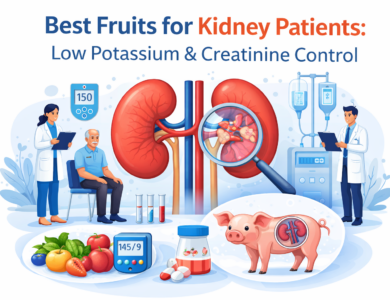
Pig Kidney Transplants (Xenotransplantation Breakthrough)
One of the most revolutionary advancements is xenotransplantation—the use of animal organs (especially pigs) in humans.
What’s Happening Right Now?
- Scientists have successfully transplanted genetically modified pig kidneys into humans
- Some transplanted kidneys have functioned for over 271 days in human trials
- The FDA has approved clinical trials for pig kidney transplants in patients with kidney failure
- Read here about this more at the American Kidney Fund Organization
👉 This is a massive breakthrough in solving organ shortages
Read about ihemo by UCSF in Human trials
The Role of Daily Guidance
One of the biggest challenges in CKD is daily decision-making.
Patients often struggle with:
- “What should I eat today?”
- “Is this safe for my kidneys?”
This is where your Care for Kidney chatbot becomes powerful:
- Real-time guidance
- Diet suggestions
- Easy-to-understand advice
Final Thoughts: A Journey of Awareness & Control
Chronic Kidney Disease is serious—but it is manageable.
With:
- Early diagnosis
- Lifestyle changes
- Medical support
- Daily guidance tools
Patients can live a healthier and more controlled life. It’s a journey etched with emotions, resilience, and hope.